Access differentiated opportunities in private credit
the private credit divide
While recent headlines have put private credit under the spotlight, we believe the market's underlying fundamentals remain sound. In our view, private credit risk is increasingly concentrated in specific pockets of the market, leaving attractive opportunities in areas beyond those segments.
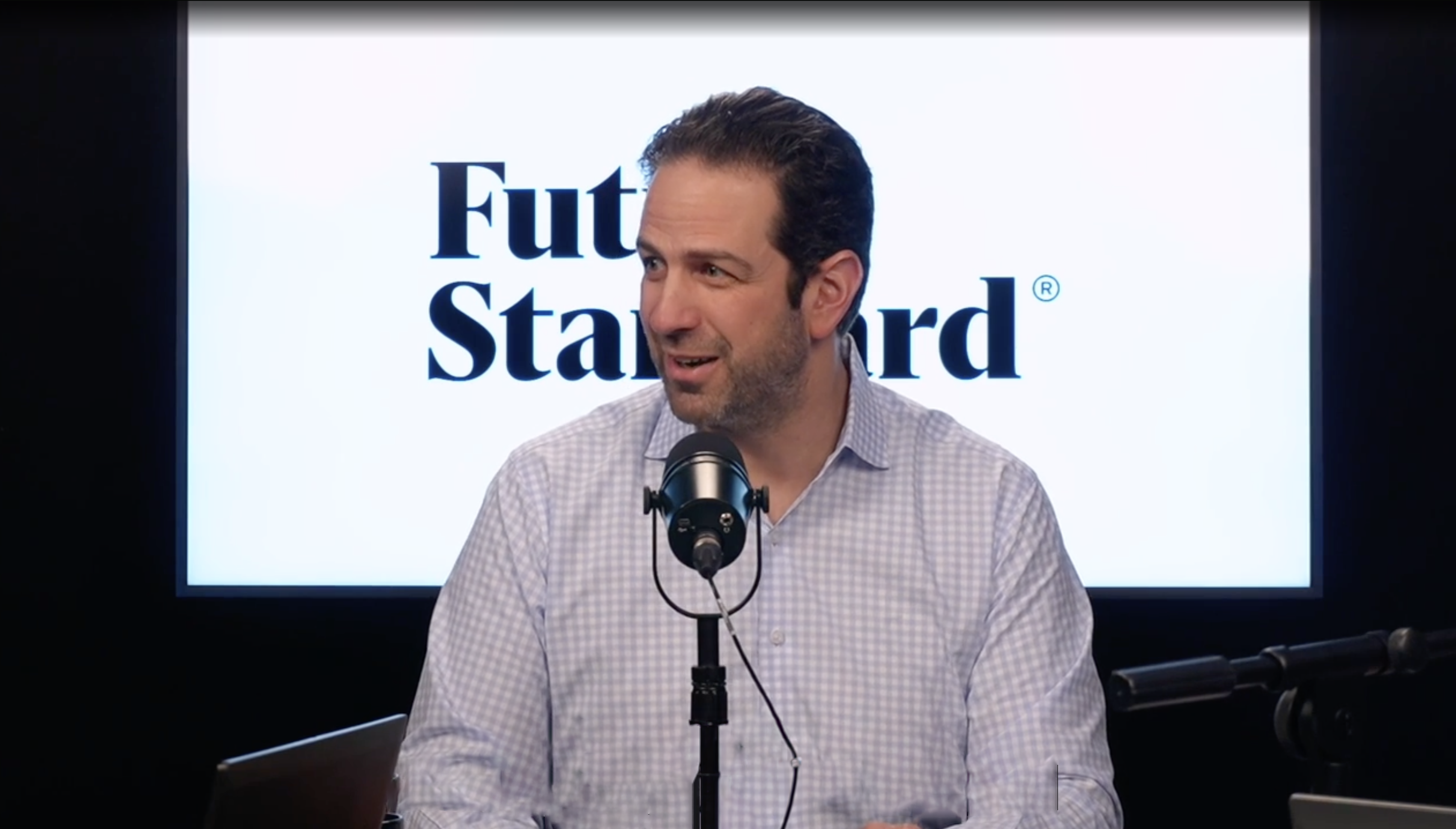
Watch as CIO Mike Kelly unpacks how risk and return potential differ across market segments and why being selective matters more than ever.
DESPITE CONCERNS, THE MARKET REMAINS HEALTHY
Tell tale signs from past bubbles and financial crises remain absent from today's market. Economic growth is strong and corporate earnings remain resilient, supporting borrower health and broad credit market performance.
There are no signs of excess systemic leverage. Corporate debt growth is in line with household debt and remains well below GDP growth. In fact, private sector debt—the combination of corporate debt and household debt—as a share of GDP is declining, not rising as it typically does ahead of market bubbles.
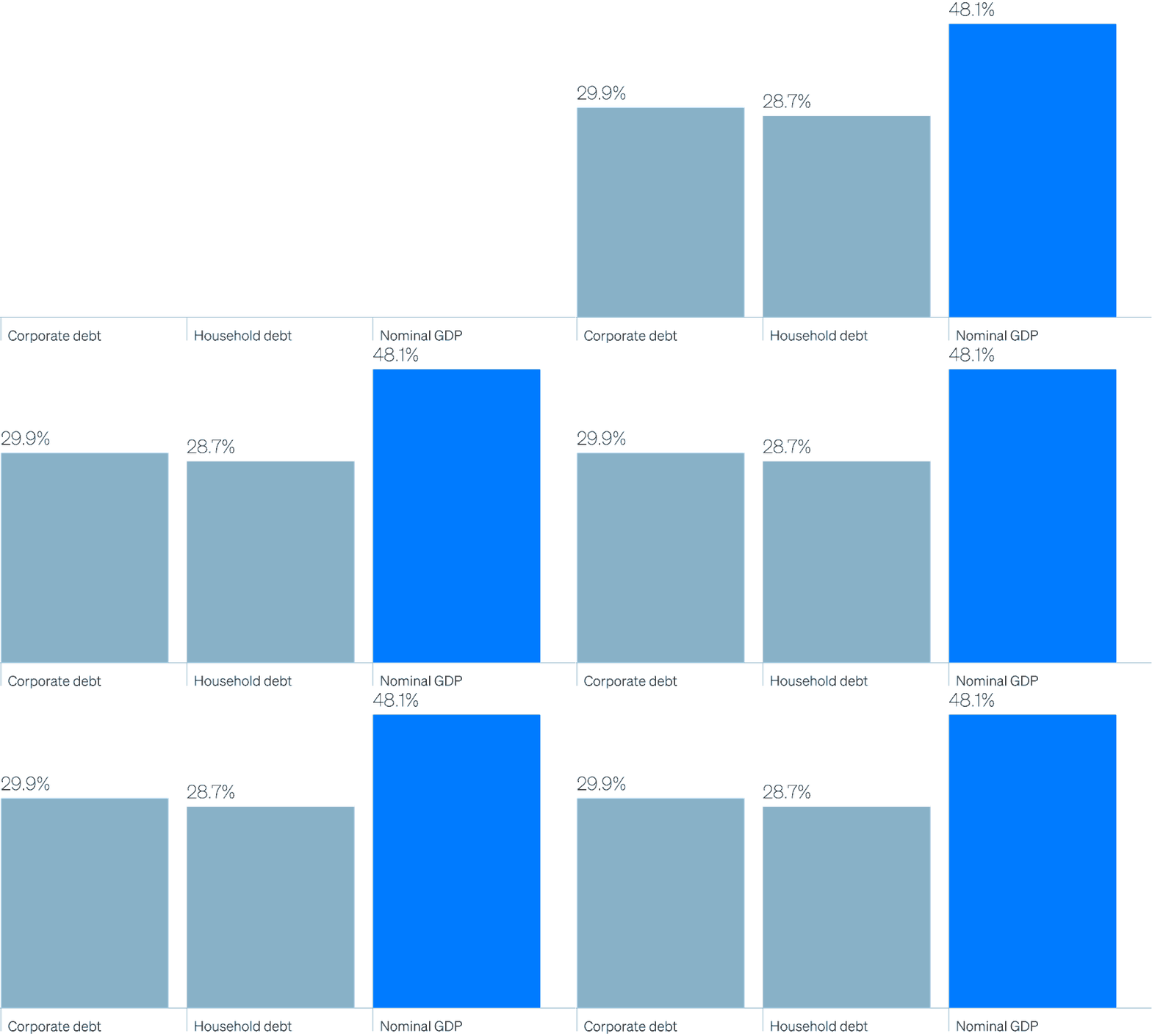
Source: Macrobond, Future Standard as of September 30, 2025, latest data available.
crowding, not crisis
Many of the concerns currently surrounding private credit can be addressed not by avoiding the asset class, but by being selective within it.
Capital crowding reshaped risk‑reward dynamics across the market, creating a growing divide between crowded large‑cap strategies. Less competitive segments such as core and lower U.S. middle market where underwriting discipline and pricing power earn an income premium.

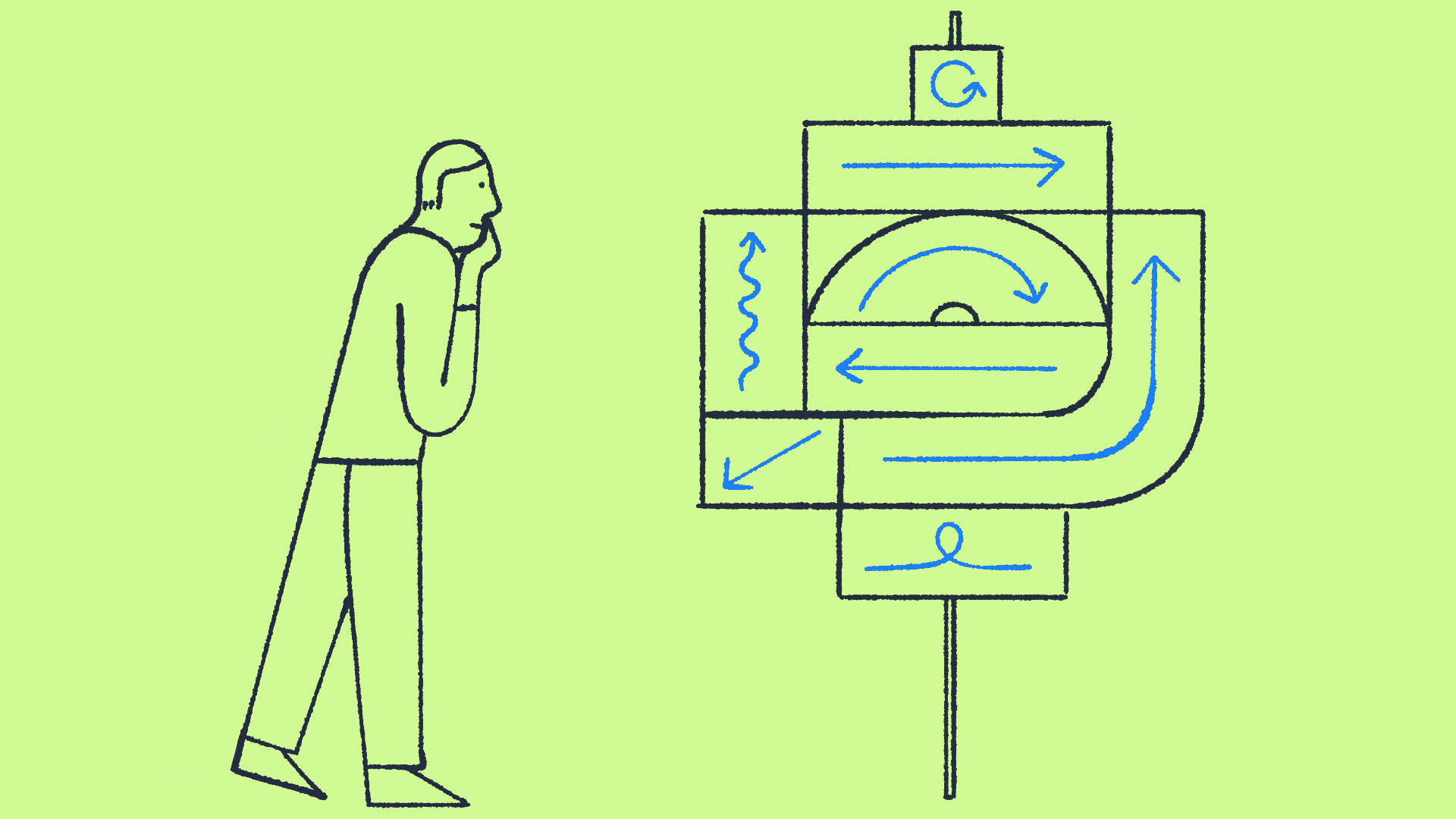
THE FIVE PRESSURE POINTS SHAPING PRIVATE CREDIT
IMPLEMENTING A SPECIALIZED APPROACH
Head of Global Credit, Andrew Beckman, and his team bring decades of experience across multiple credit cycles, with backgrounds in distressed and special situations investing that shape their approach today. The team built their careers in segments where competition is lower, deal structures provide stronger protections, and underwriting discipline matters most.
Watch the webinar for a closer look at the Global Credit team’s specialized approach.


EXPLORE MORE PRIVATE CREDIT INSIGHTS AND RESEARCH

This information is educational in nature and does not constitute a financial promotion, investment advice or an inducement or incitement to participate in any product, offering or investment. Future Standard is not adopting, making a recommendation for or endorsing any investment strategy or particular security. All views, opinions and positions expressed herein are that of the author and do not necessarily reflect the views, opinions or positions of Future Standard. All opinions are subject to change without notice, and you should always obtain current information and perform due diligence before participating in any investment. Future Standard does not provide legal or tax advice and the information herein should not be considered legal or tax advice. Tax laws and regulations are complex and subject to change, which can materially impact any investment result. Future Standard cannot guarantee that the information herein is accurate, complete, or timely. Future Standard makes no warranties with regard to such information or results obtained by its use, and disclaims any liability arising out of your use of, or any tax position taken in reliance on, such information.
Any projections, forecasts and estimates contained herein are based upon certain assumptions that the author considers reasonable. Projections are necessarily speculative in nature, and it can be expected that some or all of the assumptions underlying the projections will not materialize or will vary significantly from actual results. The inclusion of projections herein should not be regarded as a representation or guarantee regarding the reliability, accuracy or completeness of the information contained herein, and neither Future Standard nor the author are under any obligation to update or keep current such information.
All investing is subject to risk, including the possible loss of the money you invest.